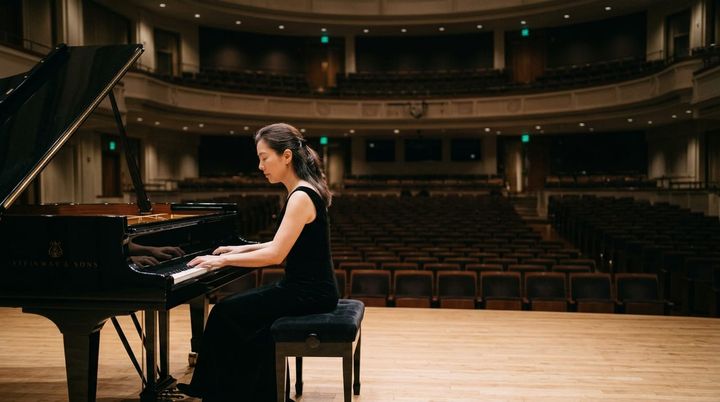
Human Performance
Why Skilled People Sometimes Fail When the Stakes Rise
Pressure does not erase expertise. It can redirect attention, increase self-monitoring or fill limited mental capacity with consequences that compete with the task.
Evidence-led analysis of Human Performance, Decision Making, Leadership and the forces that shape how people perform under pressure.
Leadership is not a title or a universal personality type. It is the practice of creating direction, conditions for coordinated action and accountability under real constraints.

Pressure does not erase expertise. It can redirect attention, increase self-monitoring or fill limited mental capacity with consequences that compete with the task.

A serious political consultant is not paid to protect the candidate from contradiction. The job is to improve decision quality and keep inconvenient information alive long enough to matter.

A slogan can compress a strategy. It cannot create one. Before a campaign communicates, it has to understand the candidate, citizens, contest, organisation and constraints.

Many athletes believe enjoying competition makes them less competitive. The opposite is often true. When athletes embrace challenge instead of fearing failure, they stay curious, adapt more effectively under pressure and unlock more consistent, resilient and sustainable high performance.
Explore ALTIUS through its core authority areas: Human Performance, Decision Making and Leadership, supported by research in psychology, communication, sport and society.

Some people continue to perform well even as exhaustion, detachment and reduced capacity build underneath. Competence can delay the moment when strain becomes visible.
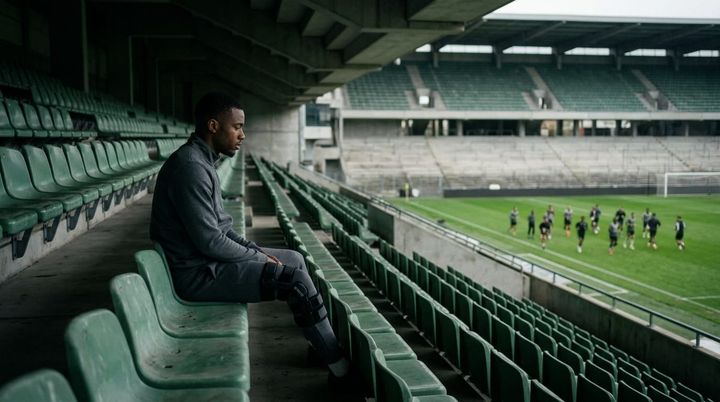
Physical recovery and psychological readiness do not always move at the same speed. Injury can affect fear, mood, confidence, social connection and an athlete's sense of identity.

Insight can be completely accurate and still fail to change behaviour. The missing step is usually not deeper understanding but a way to connect the new response to the moment when the old pattern is triggered.
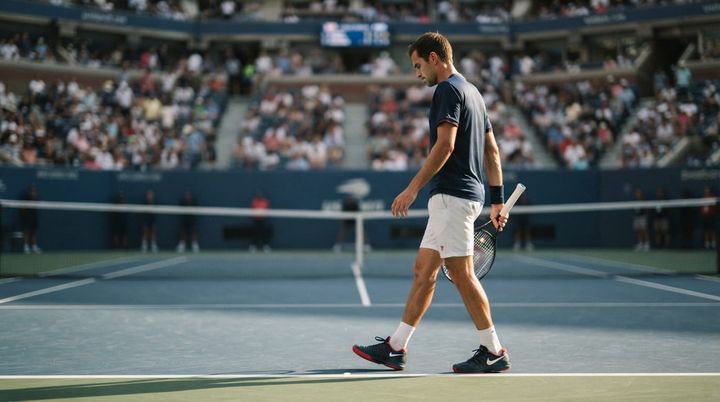
The twelve seconds Nadal spends at the towel box after a missed backhand are not rest. They are the most cognitively disciplined seconds of the entire match.

Calmness under pressure can be a strength. But hiding emotion, reappraising a situation and genuinely regulating attention are not the same process — and they do not carry the same consequences.

We spend enormous energy asking what a person can do. We spend very little asking what they can still do when it costs them something to do it
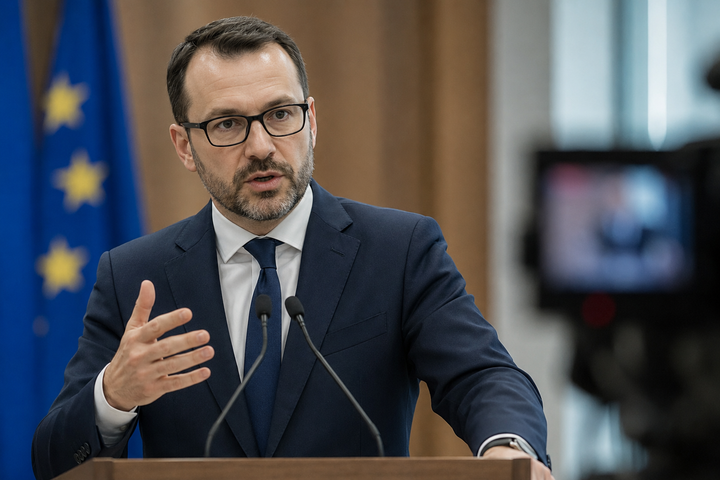
Winning office and performing well in office are different achievements. Political performance concerns how public authority is exercised under pressure, uncertainty and institutional constraint.
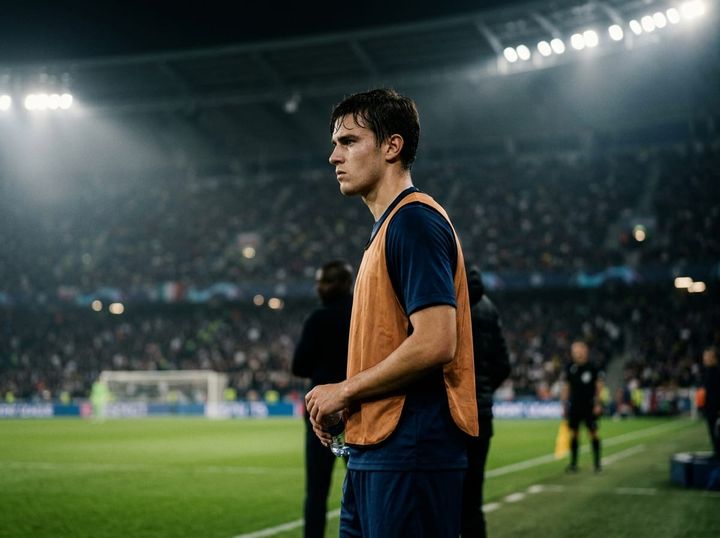
Being ready when your moment arrives is one of sport’s hardest psychological tests. Talent matters, but decisive performances often come from athletes who have prepared daily, accept responsibility, and truly believe they deserve to be there.

Authenticity in leadership is not about saying everything you think or refusing to adapt. It is about reducing the gap between what you say matters and how you actually behave when pressure rises.

Human performance is not a single trait or formula for success. It emerges from the interaction between what a person can do, what they do in the moment and the conditions in which they act.
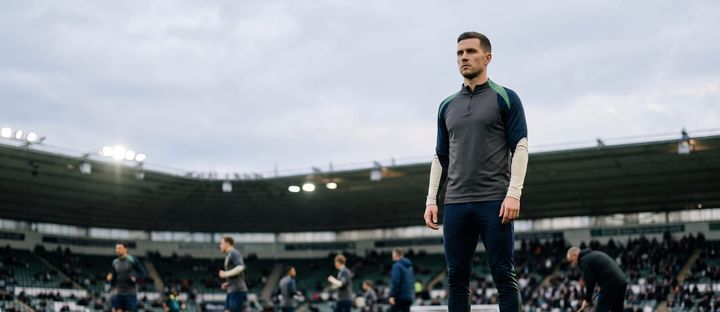
Calmness, humility and aggressiveness are three attitudes that help football teams manage pressure, maintain intensity and respond effectively to difficult moments.