
Human Performance
Can You Really Get Into a Flow State on Demand?
Time disappears, attention narrows and the task seems effortless. What does research actually tell us about flow—and how much control we have over it?
Evidence-led essays, explainers and editorial analysis from the ALTIUS library.
Time disappears, attention narrows and the task seems effortless. What does research actually tell us about flow—and how much control we have over it?

A racing heart before a speech, exam or competition can feel like proof of poor preparation. The research offers a more complicated picture.

One challenge can sharpen attention for one person and overwhelm another. The psychology of challenge and threat offers a more useful way to understand pressure.

Serious commitment does not have to take over a life. Research on harmonious and obsessive passion explores the different ways ambition can shape us.

Early physical advantage can look like lasting football potential. Research suggests selectors should be careful about treating the two as equivalent.
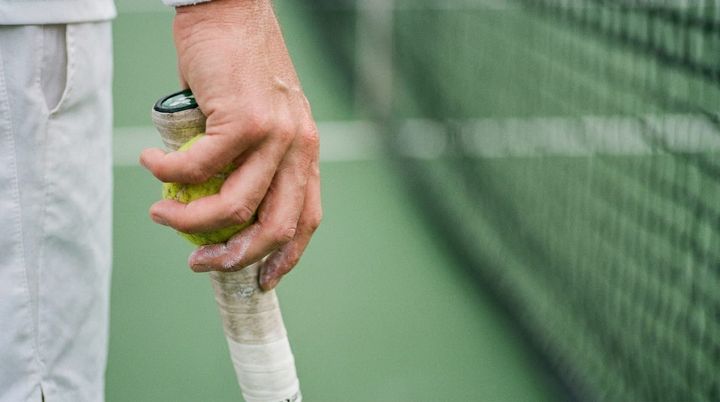
Sport psychology has a name for the chain reaction that a single mistake can trigger: cognitive interference. The term sounds clinical. The experience is not.

Training in high temperatures creates additional strain. When carefully planned, however, repeated heat exposure may increase haemoglobin mass and become a deliberate training stimulus.

A mistake may last a second. The more important performance question is what the error changes in the next action: attention, choice, movement, communication or confidence.
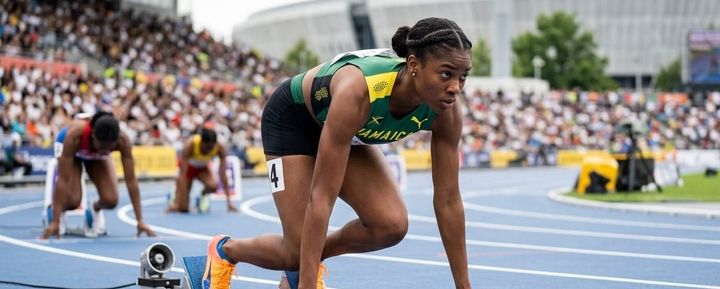
Athletes do not compete with technique and physiology alone. Attention, interpretation, emotional regulation and decision making are already inside performance — which is why mental skills belong inside training, not beside it.

Pressure does not erase expertise. It can redirect attention, increase self-monitoring or fill limited mental capacity with consequences that compete with the task.

Performance consumes resources. Recovery helps restore the capacity to use them again. The question is not whether recovery matters, but what kind of recovery the demand actually requires.
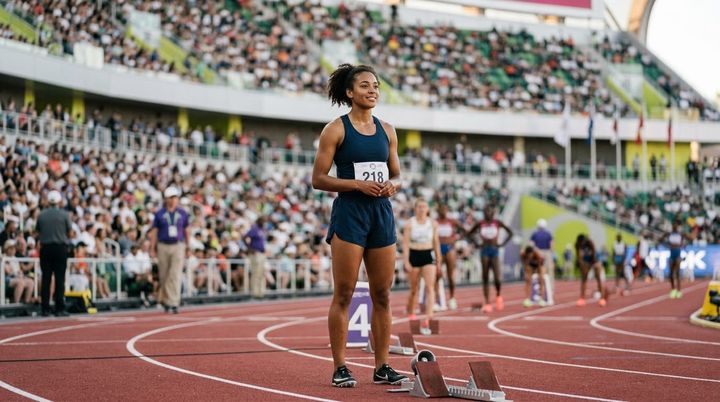
Many athletes believe enjoying competition makes them less competitive. The opposite is often true. When athletes embrace challenge instead of fearing failure, they stay curious, adapt more effectively under pressure and unlock more consistent, resilient and sustainable high performance.