
Psychology
Why Does Waiting For a Text Feel So Uncomfortable?
A silence with almost no information in it can fill an entire afternoon. Research on waiting suggests the cure is not reassurance but absorption.
Evidence-led essays, explainers and editorial analysis from the ALTIUS library.
A silence with almost no information in it can fill an entire afternoon. Research on waiting suggests the cure is not reassurance but absorption.

Ask older and younger adults how fast the last week went and their answers are surprisingly similar. The difference appears when they look back over a decade.

People in an embarrassing T-shirt thought half the room noticed. About a quarter did. Why old cringes keep returning, and the Reporter Test that quiets them.

Why do people persist willingly in some pursuits yet feel trapped in others? Self-determination theory examines autonomy, competence and connection.

Exhausted but unable to settle? Research on rumination, stress and recovery helps explain why fatigue and restlessness can sometimes coexist.

Time disappears, attention narrows and the task seems effortless. What does research actually tell us about flow—and how much control we have over it?

A racing heart before a speech, exam or competition can feel like proof of poor preparation. The research offers a more complicated picture.

One challenge can sharpen attention for one person and overwhelm another. The psychology of challenge and threat offers a more useful way to understand pressure.

Serious commitment does not have to take over a life. Research on harmonious and obsessive passion explores the different ways ambition can shape us.

Can a reward make someone less interested in the work? Decades of contested research suggest that what a reward communicates may matter as much as what it offers.

Consensus can be valuable. The risk begins when agreement is treated as proof that a group has examined the right information.
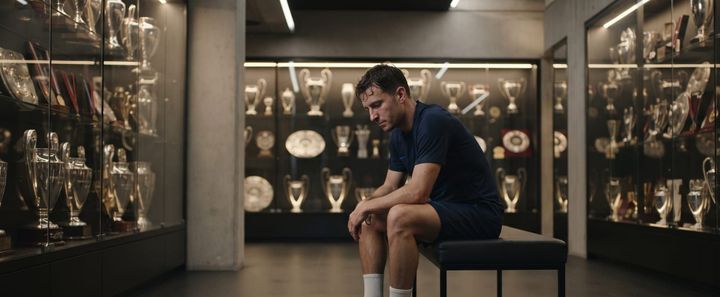
What happens when the body begins to say no after decades of being an athlete? Alberto Cei examines the deeper challenge of retirement: discovering who you are when sport can no longer define you.