
Human Performance
Why Skilled People Sometimes Fail When the Stakes Rise
Pressure does not erase expertise. It can redirect attention, increase self-monitoring or fill limited mental capacity with consequences that compete with the task.
Evidence-led analysis of Human Performance, Decision Making, Leadership and the forces that shape how people perform under pressure.
Leadership is not a title or a universal personality type. It is the practice of creating direction, conditions for coordinated action and accountability under real constraints.

Pressure does not erase expertise. It can redirect attention, increase self-monitoring or fill limited mental capacity with consequences that compete with the task.

A serious political consultant is not paid to protect the candidate from contradiction. The job is to improve decision quality and keep inconvenient information alive long enough to matter.

A slogan can compress a strategy. It cannot create one. Before a campaign communicates, it has to understand the candidate, citizens, contest, organisation and constraints.

Many athletes believe enjoying competition makes them less competitive. The opposite is often true. When athletes embrace challenge instead of fearing failure, they stay curious, adapt more effectively under pressure and unlock more consistent, resilient and sustainable high performance.
Explore ALTIUS through its core authority areas: Human Performance, Decision Making and Leadership, supported by research in psychology, communication, sport and society.

Healthy groups need coordination, but coordination becomes dangerous when loyalty is confused with surrendering judgement.

Competence answers whether an institution can act. Integrity and accountability shape what people expect it to do with that capacity. Trust cannot be reduced to performance alone.

Silence inside an organisation is easily mistaken for agreement. Yet people often withhold useful information because experience has taught them to question either the safety or the usefulness of speaking.

A suggestion from a peer and the same suggestion from a powerful leader are not the same message. Hierarchy changes the practical meaning of language.

Decision making is not a single act. It is a sequence shaped by what we notice, what we miss, what we feel and how much pressure the situation carries.

Sport psychology has a name for the chain reaction that a single mistake can trigger: cognitive interference. The term sounds clinical. The experience is not.

Training in high temperatures creates additional strain. When carefully planned, however, repeated heat exposure may increase haemoglobin mass and become a deliberate training stimulus.

A mistake may last a second. The more important performance question is what the error changes in the next action: attention, choice, movement, communication or confidence.
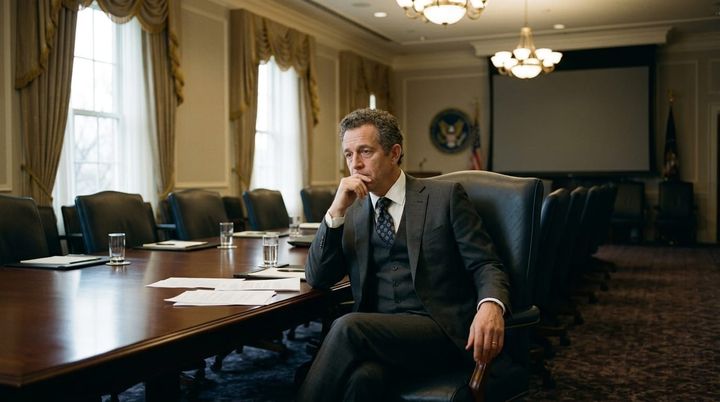
Power does not simply expose a hidden true self. It changes permission, goals, social distance and access to correction. Character still matters, but so does the system around the person.

Political ambition is rarely driven by one motive. Service, achievement, belonging, status and revenge can coexist. The important question is which one begins directing behaviour under pressure.

A grievance can bring someone into public life without becoming revenge. The danger begins when solving the problem matters less than defeating the person blamed for it.

The question 'Why do you want to enter politics?' is easy to answer for an audience. It is much harder to answer in a way that still guides behaviour after rejection, scrutiny and disappointment.