Research
Football Together: Alberto Cei’s Research on Inclusion Through Sport
What Alberto Cei and colleagues reported from the 2017 Soccer Together programme, including mixed motor and football outcomes.
 Author
Alberto Cei is a psychologist and psychotherapist specializing in sport and performance. An Olympic consultant, university professor , author of 15 books, he has supported athletes winning 13 Olympic medals and works with elite performers worldwide.
What Alberto Cei and colleagues reported from the 2017 Soccer Together programme, including mixed motor and football outcomes.

Revisiting Alberto Cei’s 1994 approach to attention assessment and match analysis in elite football.
A two-week multidisciplinary sports camp studied by Cei and colleagues through parents’ reports of children's experiences.

How Cei, Lucidi and Serpa traced the early development of the International Journal of Sport Psychology.

How a small football case study by Alberto Cei and Daniela Sepio investigated motor and interpersonal development among three autistic children.

Cei and Serpa explore José María Cagigal’s contribution to the international institutions of sport psychology.

A research feature on concentration and self-talk in football through the work of Mirko Farina and Alberto Cei.
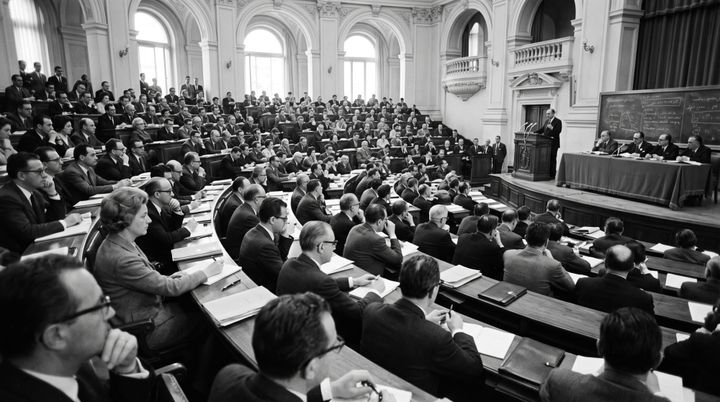
An evidence-conscious editorial overview of research by Alberto Cei, published in 2011.

Early physical advantage can look like lasting football potential. Research suggests selectors should be careful about treating the two as equivalent.

What happens when the body begins to say no after decades of being an athlete? Alberto Cei examines the deeper challenge of retirement: discovering who you are when sport can no longer define you.
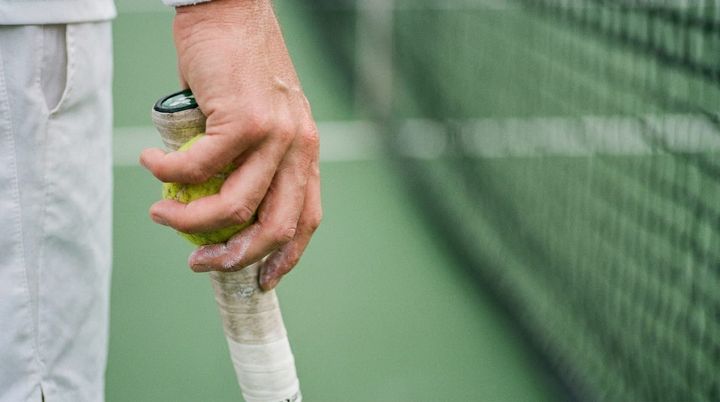
Sport psychology has a name for the chain reaction that a single mistake can trigger: cognitive interference. The term sounds clinical. The experience is not.
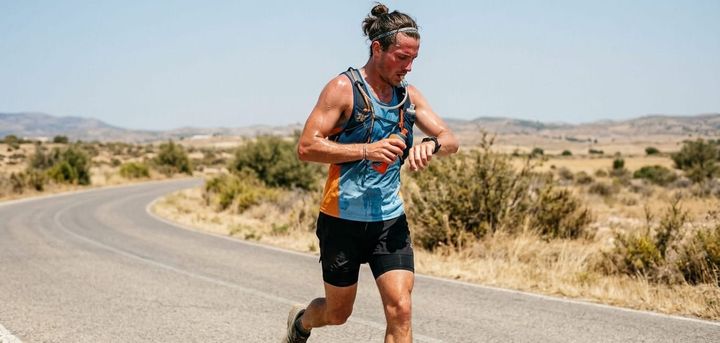
Training in high temperatures creates additional strain. When carefully planned, however, repeated heat exposure may increase haemoglobin mass and become a deliberate training stimulus.