
Human Performance
The Performance After the Mistake
A mistake may last a second. The more important performance question is what the error changes in the next action: attention, choice, movement, communication or confidence.
 Author
Alberto Cei is a psychologist and psychotherapist specializing in sport and performance. An Olympic consultant, university professor , author of 15 books, he has supported athletes winning 13 Olympic medals and works with elite performers worldwide.
A mistake may last a second. The more important performance question is what the error changes in the next action: attention, choice, movement, communication or confidence.
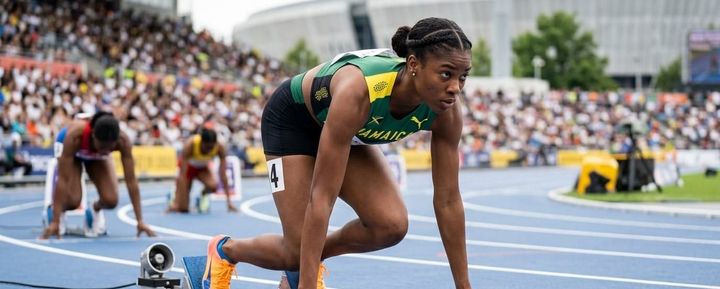
Athletes do not compete with technique and physiology alone. Attention, interpretation, emotional regulation and decision making are already inside performance — which is why mental skills belong inside training, not beside it.

Losing focus is not proof that a student is lazy or unmotivated. Attention fluctuates, distraction competes for limited capacity, and the useful skill is often learning how to notice drift and return.

Many athletes believe enjoying competition makes them less competitive. The opposite is often true. When athletes embrace challenge instead of fearing failure, they stay curious, adapt more effectively under pressure and unlock more consistent, resilient and sustainable high performance.

Decision fatigue is real enough to deserve attention, but the old story that the brain simply burns through a finite glucose-based willpower resource does not fit the evidence. The harder question is what changes after sustained cognitive demand.

People form impressions before they understand the full argument. The practical challenge is to communicate clearly without treating body language as a reliable window into character or competence.

Alberto Cei is a leading sport and performance psychologist, university professor and author. Across eight Olympic Games, he has supported athletes who won 13 Olympic medals and has worked extensively with elite athletes, coaches, referees and organizations.

Sleep and rest overlap, but they are not interchangeable. Wearables can reveal useful patterns, yet a sleep score is not a diagnosis and should not be mistaken for complete readiness.

Some people continue to perform well even as exhaustion, detachment and reduced capacity build underneath. Competence can delay the moment when strain becomes visible.
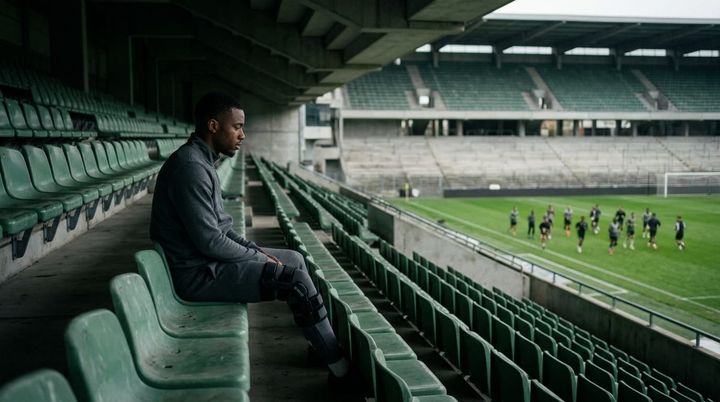
Physical recovery and psychological readiness do not always move at the same speed. Injury can affect fear, mood, confidence, social connection and an athlete's sense of identity.
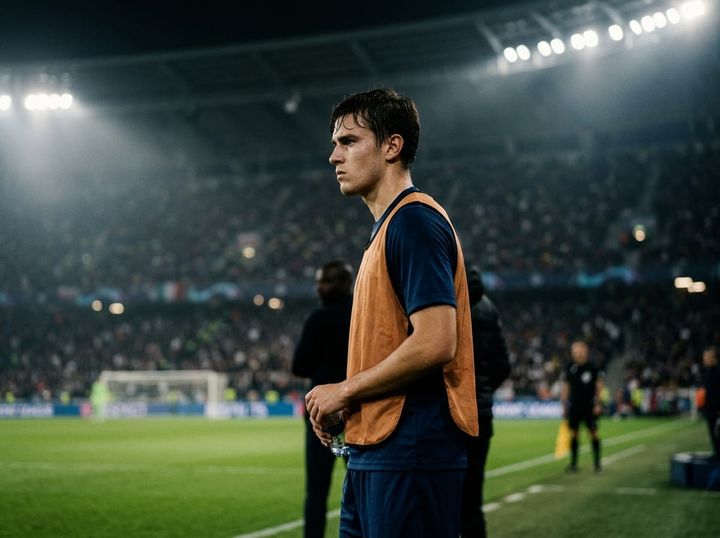
Being ready when your moment arrives is one of sport’s hardest psychological tests. Talent matters, but decisive performances often come from athletes who have prepared daily, accept responsibility, and truly believe they deserve to be there.

Human performance is not a single trait or formula for success. It emerges from the interaction between what a person can do, what they do in the moment and the conditions in which they act.