
Human Performance
The Performance After the Mistake
A mistake may last a second. The more important performance question is what the error changes in the next action: attention, choice, movement, communication or confidence.
Research and practitioner analysis on how people perform, adapt and recover under pressure, uncertainty, fatigue and sustained demand.
ALTIUS examines attention, expertise, preparation, recovery, learning and behaviour without reducing performance to motivation or personality alone.
Read: What Is Human Performance? →
A mistake may last a second. The more important performance question is what the error changes in the next action: attention, choice, movement, communication or confidence.
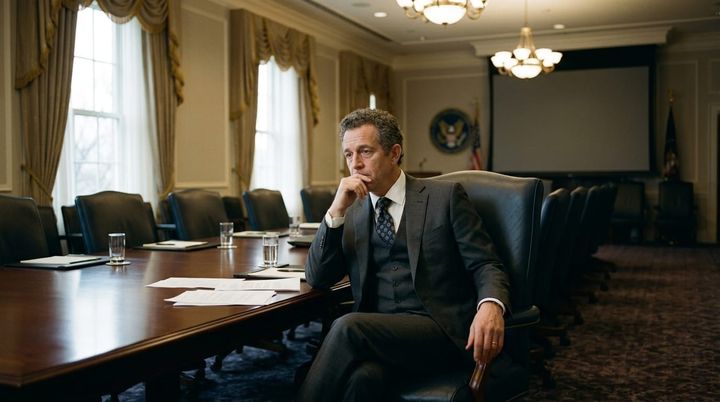
Power does not simply expose a hidden true self. It changes permission, goals, social distance and access to correction. Character still matters, but so does the system around the person.
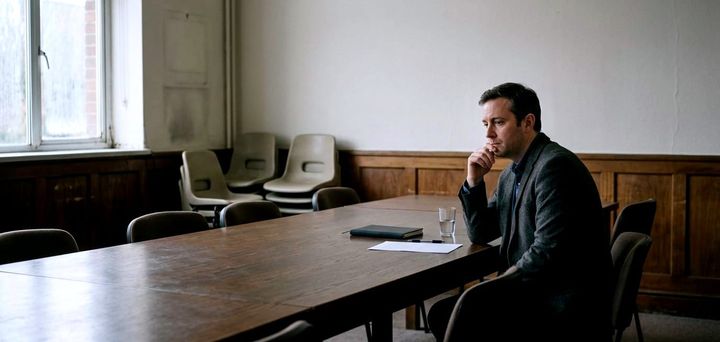
Political ambition is rarely driven by one motive. Service, achievement, belonging, status and revenge can coexist. The important question is which one begins directing behaviour under pressure.

A grievance can bring someone into public life without becoming revenge. The danger begins when solving the problem matters less than defeating the person blamed for it.

The question 'Why do you want to enter politics?' is easy to answer for an audience. It is much harder to answer in a way that still guides behaviour after rejection, scrutiny and disappointment.

Leadership is not a title or a universal personality type. It is the practice of creating direction, conditions for coordinated action and accountability under real constraints.

Athletes do not compete with technique and physiology alone. Attention, interpretation, emotional regulation and decision making are already inside performance — which is why mental skills belong inside training, not beside it.

Losing focus is not proof that a student is lazy or unmotivated. Attention fluctuates, distraction competes for limited capacity, and the useful skill is often learning how to notice drift and return.

Pressure does not erase expertise. It can redirect attention, increase self-monitoring or fill limited mental capacity with consequences that compete with the task.

Performance consumes resources. Recovery helps restore the capacity to use them again. The question is not whether recovery matters, but what kind of recovery the demand actually requires.

You can still care deeply about a goal and fail to make progress. Before assuming motivation has disappeared, ask whether attention, interruption or fatigue has made execution harder.

The problem is not that people have lost the ability to think. It is that modern environments make interruption, delegation and instant answers easier than staying with a difficult question long enough to understand it.