The Revenge Motive in Politics: When Anger Holds the Steering Wheel
A grievance can bring someone into public life without becoming revenge. The danger begins when solving the problem matters less than defeating the person blamed for it.
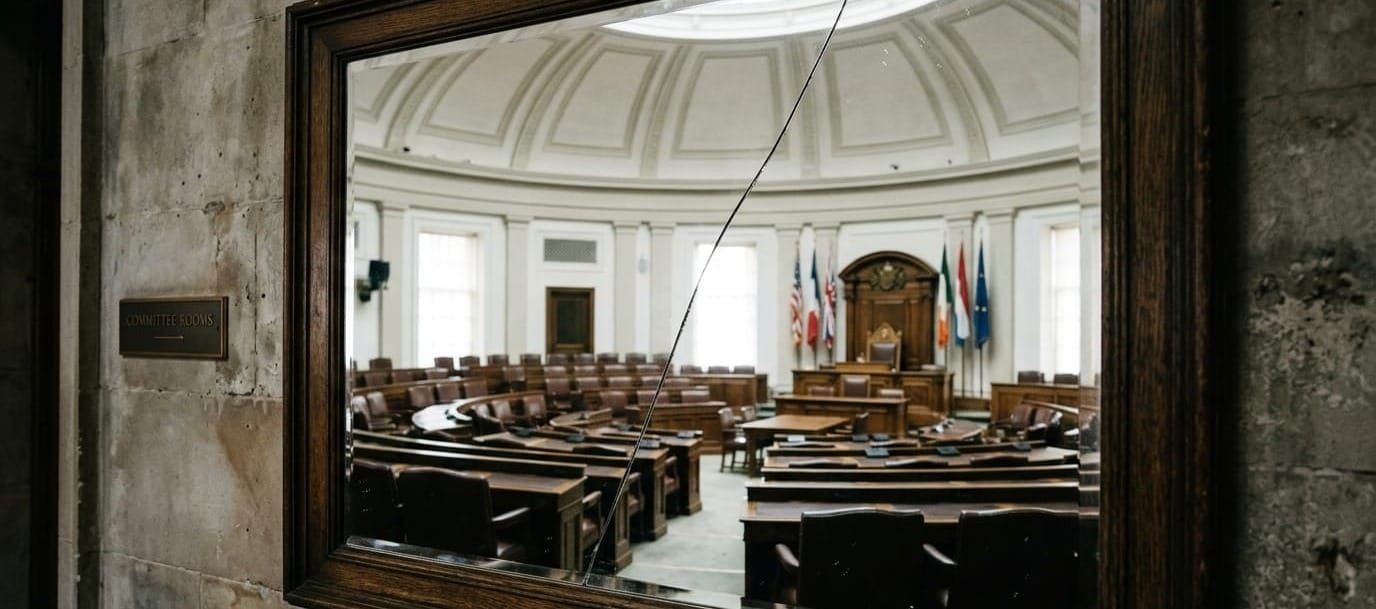
A grievance can enter politics without becoming revenge.
That distinction is easy to lose. Many political careers begin because something feels wrong. A service failed. A community was ignored. An institution behaved unfairly. A decision harmed people who had little influence over it. Anger can be an appropriate response. It can also be useful. Research on anger shows that it can focus attention on perceived injustice and motivate action intended to correct it. Collective-action research similarly shows that perceived injustice can contribute to mobilisation when people also identify with others affected and believe action can make a difference.
So the problem is not anger. The problem begins when the political objective changes. At first, the goal is to repair something. Later, the goal becomes defeating somebody. Those aims can overlap. They are not the same.
Grievance, anger, accountability and revenge
These four ideas should be separated. A grievance is a belief that a wrong occurred. Anger is one possible emotional response. Accountability concerns consequences for conduct and the protection of standards. Revenge adds another element: the desire that the person or group held responsible should suffer, lose or understand the pain they caused. Research on revenge shows that retaliation can serve several motives at once.
People may want fairness restored. They may want deterrence. They may want the offender to understand the reason for the punishment. They may simply want payback. That complexity matters in politics because public rhetoric can make these motives sound identical. “Justice.” “Accountability.” “They must answer for what they did.” All can be legitimate. The question is what outcome would count as enough.
Political systems sometimes need anger. Without it, neglect can become normal. Anger makes some people unwilling to accept an answer that everyone else has learned to tolerate. It can increase persistence. It can make hidden costs visible. It can give people enough energy to organise. This is why treating anger itself as political immaturity is a mistake. The more useful question is whether anger remains connected to evidence and purpose.
Can the person recognise progress? Can they distinguish a partial improvement from betrayal? Can they work with people they dislike when the public objective requires it? Can they stop fighting when the problem has actually changed? Useful anger points somewhere. It is not satisfied merely by being expressed.
Revenge needs an enemy more than reform does
Reform and revenge differ most clearly when success becomes possible. Reform asks: What condition must change? Revenge asks: What must happen to them? Both may demand consequences. Both may seek removal from office, sanction or legal action where rules justify it. The difference is whether the consequence serves a public standard or becomes the emotional destination. Research on punishment supports this distinction. Studies repeatedly find that retributive motives can influence punitive judgement alongside more instrumental concerns such as deterrence.
That does not make punishment illegitimate. It means motives should be examined. If safeguards are improved, harm is repaired and appropriate accountability occurs, can the political actor accept that the objective has been met? If no outcome is sufficient while the opponent remains undamaged, revenge may be steering. Anger is not simply energy. It also changes how people process information. Research in social and political psychology has linked anger with distinctive patterns of judgement, including greater certainty and different assessments of risk and blame. That does not mean angry people are irrational. It means emotional state can alter what feels obvious. This is relevant to political preparation because grievance can gradually become a filter.
New evidence is interpreted through the original injury. Compromise looks weak. Correction sounds like disloyalty. A person who questions the story begins to look like part of the problem. At that point, the grievance is no longer only motivating action. It is organising perception.
Identity can become attached to conflict
A political cause can also become part of identity. That is not unusual. Campaigns create purpose, status, community and meaning. The risk appears when the conflict becomes necessary to preserve that identity. If the cause succeeds, who is the person without the fight? If the enemy leaves, what holds the coalition together? If the institution improves, does the political story still work? These questions should not be turned into amateur psychology.
We cannot infer private motives from public behaviour with confidence. But a leader can ask them of themselves. A movement that cannot imagine life after victory may eventually need another grievance.
Public problems are often complicated. An enemy is simpler. Housing, healthcare, economic performance, institutional trust and education rarely have one cause. They involve incentives, history, trade-offs, administrative capacity and conflicting interests. An enemy compresses that complexity. One person. One group. One betrayal. One explanation. This can be politically powerful because it reduces cognitive load. It can also reduce policy quality. Once the political story depends on a culprit, evidence that complicates the story becomes inconvenient.
The danger is not only moral polarisation. It is analytical weakness. Retaliation has another problem. The person delivering it sees context. The person receiving it experiences the punishment. Those perspectives often diverge. Research on interpersonal conflict has long shown differences between victim and perpetrator accounts: victims tend to emphasise harm and lasting consequences, while perpetrators often emphasise context and justification. Political conflict is far more complex than interpersonal laboratory or autobiographical studies.
But the basic asymmetry is relevant. Each side experiences its own action as response. The other side experiences it as aggression. This can create cycles in which every punishment becomes evidence for the next grievance. Ending such cycles does not require false equivalence. Responsibility can be unequal. Evidence still matters. The point is to prevent a justified response from becoming an unlimited licence for escalation.
A practical test for grievance-driven leadership
I would ask five questions. What specific public condition should change? A law, procedure, service, standard or measurable outcome. What evidence would show that progress has occurred? If no improvement can ever count, the grievance is protected from reality. What accountability is necessary, and why? Protection? Deterrence? Legal responsibility? Institutional trust? Or emotional satisfaction? Can an opponent provide useful evidence without becoming an enemy? If not, correction becomes difficult.
What happens after success? This is the hardest one. A movement must eventually govern something, build something or improve something. Anger cannot be the whole operating system. The mature transition is not from anger to permanent calm. Some events should still produce anger. The transition is from anger to purpose. A leader can remain angry about what happened and still become capable of proportion. They can demand accountability and still recognise repair. They can challenge an institution and still accept evidence that part of it works.
They can remember the original harm without needing permanent political enemies. That is the difference between grievance as fuel and grievance as identity. One can start political action. The other can trap it. The most useful question is therefore not: Am I still angry? It is: What is the anger helping me build now? If the answer is only another enemy, the steering wheel has changed hands.
ALTIUS Note
This article does not attribute revenge motives to any identifiable political actor. Revenge is treated as a behavioural hypothesis and a research concept, not as a diagnosis. Anger, grievance, punishment and accountability can overlap without being psychologically or morally equivalent.
Research References
- Jackson, J. C., Choi, V. K., & Gelfand, M. J. (2019). Revenge: A Multilevel Review and Synthesis. Annual Review of Psychology, 70, 319–345. https://doi.org/10.1146/annurev-psych-010418-103305
- Lerner, J. S., Li, Y., Valdesolo, P., & Kassam, K. S. (2019). Anger and its consequences for judgment and behavior: Recent developments in social and political psychology. Advances in Experimental Social Psychology, 59, 103–173. https://doi.org/10.1016/bs.aesp.2018.12.001
- Carlsmith, K. M. (2006). The roles of retribution and utility in determining punishment. Journal of Experimental Social Psychology, 42(4), 437–451. https://doi.org/10.1016/j.jesp.2005.06.007
- Molnar, A., Chaudhry, S. J., & Loewenstein, G. (2023). “It’s not about the money. It’s about sending a message!” Avengers want offenders to understand the reason for revenge. Organizational Behavior and Human Decision Processes, 174, 104207. https://doi.org/10.1016/j.obhdp.2022.104207
Related from ALTIUS
- The Five Engines of Political Ambition — A framework for mixed motives in political ambition.
- What Power Reveals About Character — How authority changes permission, distance and correction.
- What Is Political Performance? — A broader framework for behaviour under pressure in public life.
Further reading
Keep reading ALTIUS
Subscribe for new essays and analysis, or sign in if you already have an account.