Serie A sackings. What is a project worth at the first sign of trouble?
Six Serie A coaching dismissals raise a bigger question: when results turn against a manager, how much responsibility does the club take for its project?
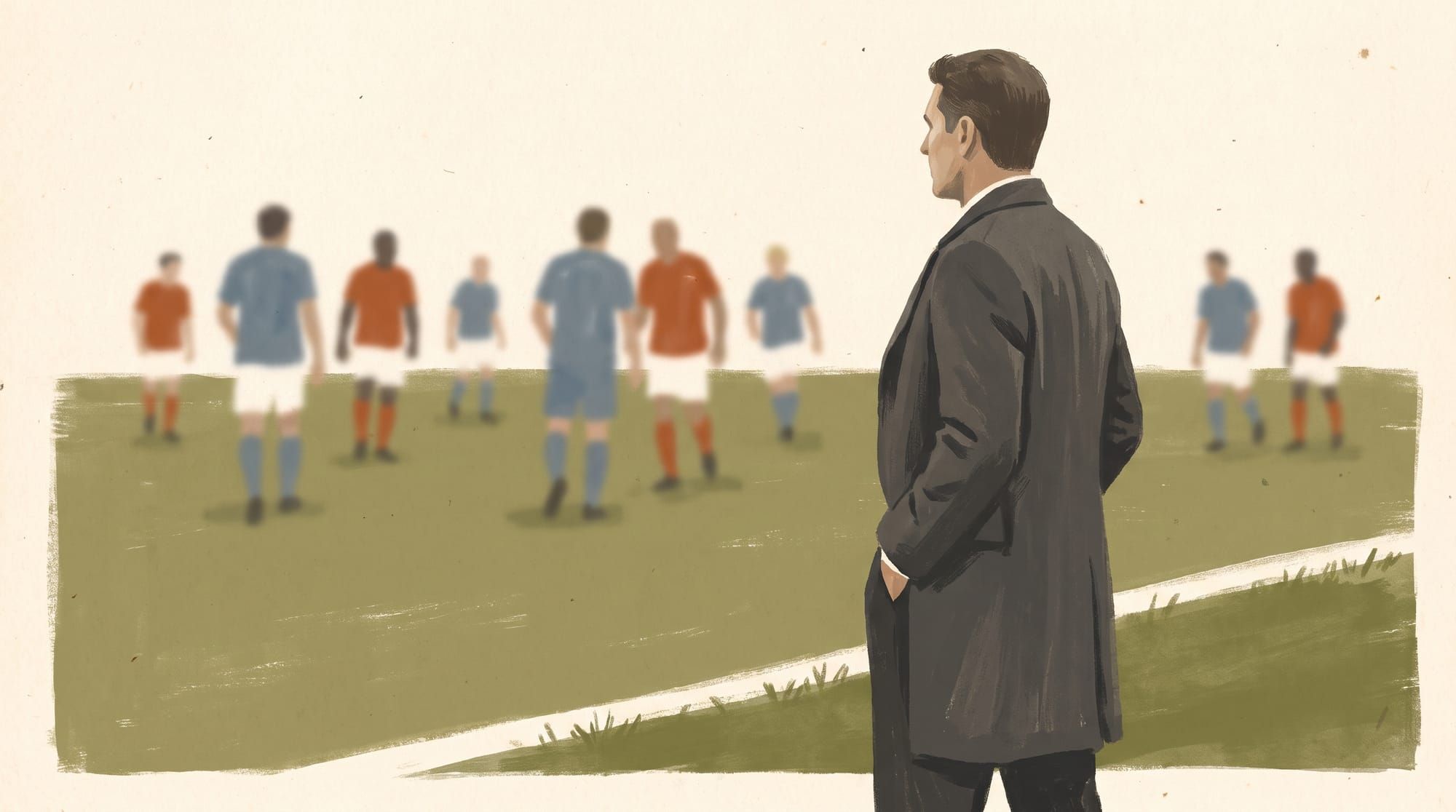
Six coaches were sacked in the first eleven rounds of Serie A. La Repubblica notes that in three cases, a project had been built around the coach but was given little time to develop. It’s worth asking what clubs mean when they introduce a new coach and say, “We have a project.” How much of that project do the owners, club executives and coach actually agree on?
Owners also have to contend with the fear of losing the money they’ve invested. A run of defeats can put the season’s sporting and financial objectives at risk. In these circumstances, changing the coach is one of the few decisions owners can make immediately, and it can help them feel back in control. Yet the urgency to protect their investment can prompt them to act before they understand where things went wrong.
As in any business that puts someone in charge of a project, the owners still have a role after the appointment. At the outset, they need to agree on objectives, check that the resources are adequate, discuss foreseeable difficulties and decide how to deal with them. Once work is under way, club executives and the coach should talk regularly about what is working and what needs adjusting. In football, that means asking as early as the summer whether the squad can play the way the coach has been asked to play, and what the club will do if the players take longer than expected to adapt to the coach’s ideas.
Sometimes the arrangement seems to come down to an unspoken deal. “Do it your way. If it works, you stay. If it doesn’t, we’ll replace you.” The coach is free to make decisions but is left to answer for problems that also require action from the club. Support depends on results and disappears just when it’s needed most. Sacking the coach can then become a way for the owners to avoid examining their own decisions, from how the squad was built to the expectations they set at the start of the season.
A sacking may be necessary but before making that decision, the club should be able to answer one question. Since the first difficulties emerged, what have we done alongside the coach to address them?
Originally published on AlbertoCei.com. Republished with the author’s permission.