Research
What a Two-Week Sport Camp Revealed About Autism and Participation
A two-week multidisciplinary sports camp studied by Cei and colleagues through parents’ reports of children's experiences.
Evidence-led analysis of Human Performance, Decision Making, Leadership and the forces that shape how people perform under pressure.
Revisiting Alberto Cei’s 1994 approach to attention assessment and match analysis in elite football.

A two-week multidisciplinary sports camp studied by Cei and colleagues through parents’ reports of children's experiences.

Leadership is not a title or a universal personality type. It is the practice of creating direction, conditions for coordinated action and accountability under real constraints.
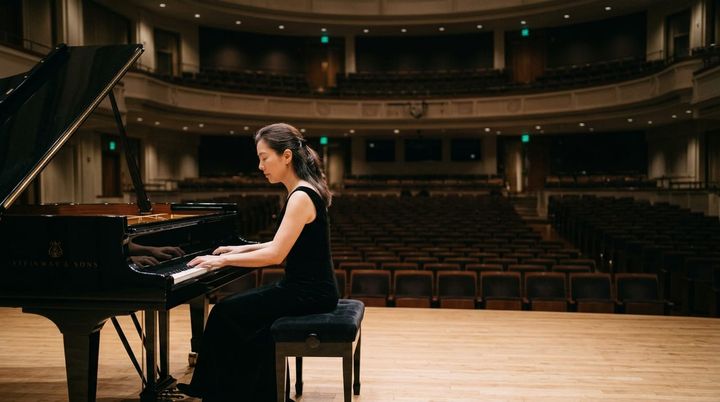
Pressure does not erase expertise. It can redirect attention, increase self-monitoring or fill limited mental capacity with consequences that compete with the task.

A serious political consultant is not paid to protect the candidate from contradiction. The job is to improve decision quality and keep inconvenient information alive long enough to matter.
Explore ALTIUS through its core authority areas: Human Performance, Decision Making and Leadership, supported by research in psychology, communication, sport and society.

Does sharing a goal make it easier or harder to achieve? Older and newer research point to different outcomes, depending on the situation.

Why can accurate, well-intentioned feedback sometimes undermine performance? An evidence-led examination of criticism, attention and workplace learning.

A week after reading, students who practised recalling a text remembered 61 per cent of it; rereaders remembered 40. The Closed-Book Rule turns that into a routine.

Students in Stanford studies underestimated their peers' negative experiences by an average of 17 per cent. Misery has more company than we think.

In a UCL experiment, a 50 per cent chance of a shock was more stressful than a certain one. Why an unwelcome answer can bring relief.

Frequent social media use is linked to lower self-esteem, largely through comparing upwards. Three steps, and a Private Scoreboard, to measure your own progress instead.

A silence with almost no information in it can fill an entire afternoon. Research on waiting suggests the cure is not reassurance but absorption.

Ask older and younger adults how fast the last week went and their answers are surprisingly similar. The difference appears when they look back over a decade.

People in an embarrassing T-shirt thought half the room noticed. About a quarter did. Why old cringes keep returning, and the Reporter Test that quiets them.

Why do people persist willingly in some pursuits yet feel trapped in others? Self-determination theory examines autonomy, competence and connection.

Exhausted but unable to settle? Research on rumination, stress and recovery helps explain why fatigue and restlessness can sometimes coexist.

Time disappears, attention narrows and the task seems effortless. What does research actually tell us about flow—and how much control we have over it?